



What does long term governance look like?
Charities, via their trustees and senior management, often worry about long term impact and legacy. They want to ensure the charity’s name, projects, property and reputation are well known and effectively impacting over the long term. The ideas of longevity, even permanence, are even engrained into charity DNA. However, a more enlightened way to consider governance and a charity’s long term impact is layering.
In recent weeks I’ve walked the Cotswold Way with my wife, to celebrate our 35 years of marriage – a long term perspective in itself! Throughout the journey, we encountered the influence of the work of charities: The Cotswold Way Association, almshouses, churches, arts and music venues, educational institutions, and various historical, archaeological and countryside organisations. Some comparatively new but others a retrospective of many years, even centuries.
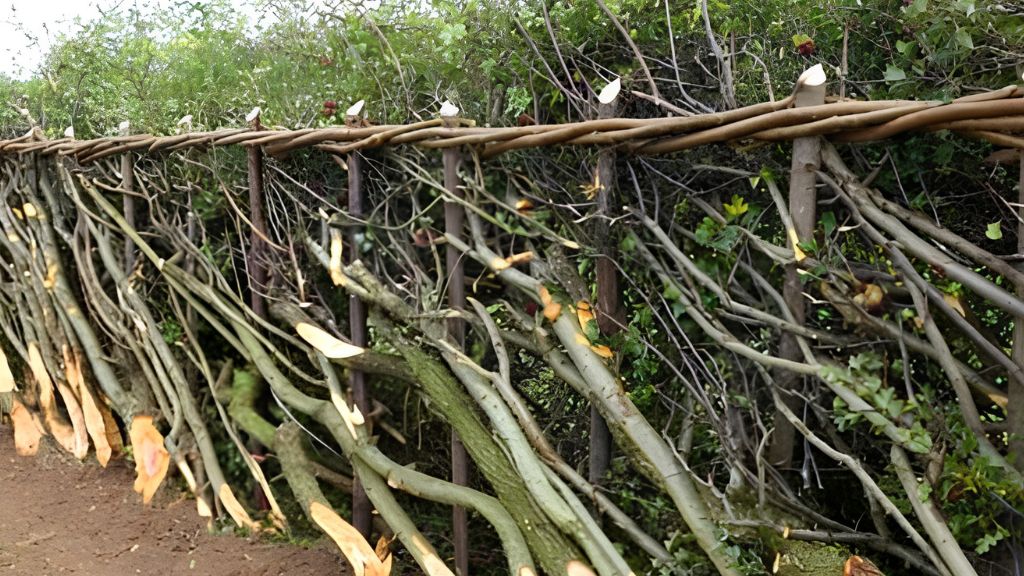
The people who founded or governed these charities in the past are now part of history themselves, but no doubt were influential in their day. And although now consigned to the past, their influence can still be felt; their contribution a part of the long and rich weaving of benefit for the community they served. Rather like hedge laying, the individuals may have been superseded by newer growth, their position harshly pruned, and may even have been completely overgrown. But their role was to govern during their time and help form the structure for the charity to thrive into the future.
Governance can feel like a struggle for control, but it is always helpful to see our contribution in context. Charities are usually around for much longer than any of us. Our role is to govern effectively for our time, knowing we are merely a custodian layer in time.
